General approach for homeowners
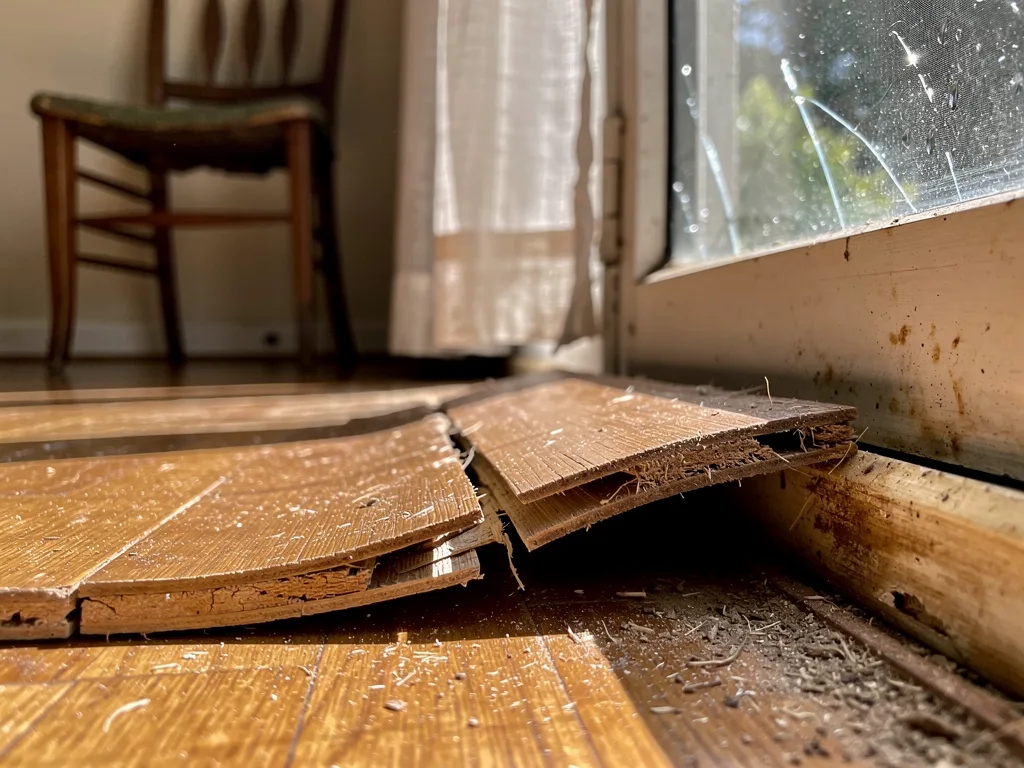
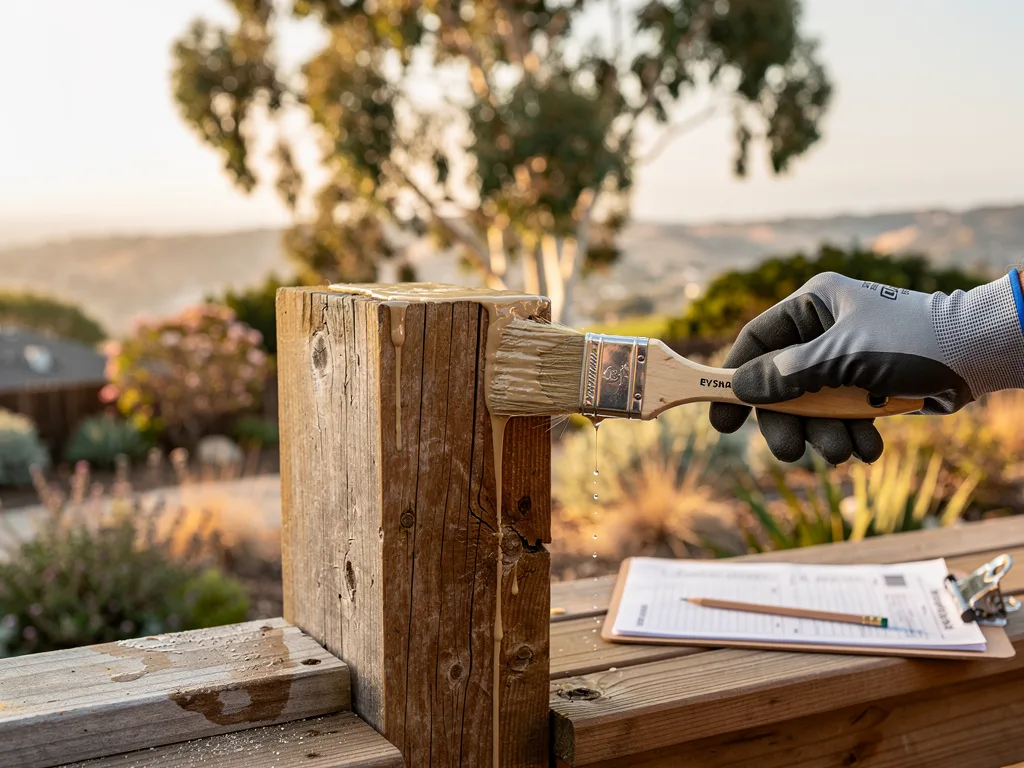
Most restoration projects in California start with a careful observation of moisture sources and affected wood. Some tasks you can manage safely, like removing loose debris, tidying affected areas, and documenting conditions. But when it involves structural wood, hidden moisture, or complex framing, it’s time to call in a state-wide restoration team. California crews are trained to assess moisture paths, determine integrity, and plan repairs that keep the work aligned with building codes and climate realities.
Before you begin any hands-on work, consider whether there is potential for exposure to mold, biohazards, or compromised structural elements. If so, pause and bring in a professional from California Wood Restoration to avoid risk and ensure a proper fix from the start.
DIY steps that can help right away
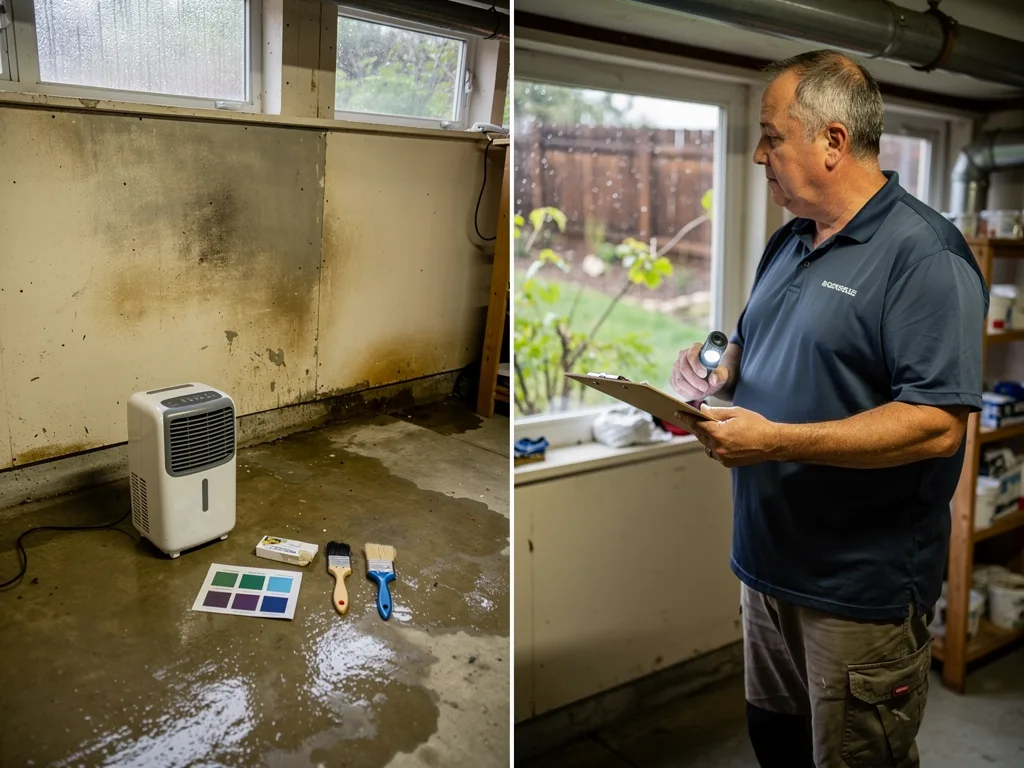
Some home care can reduce ongoing damage while you arrange professional help. Wipe down damp surfaces with a mild cleaner, improve ventilation by opening vents or running a dehumidifier in damp rooms, and ensure you’ve stopped any obvious leaks. Keeping humidity in check is important. In California homes, seasonal humidity can rise in basements, crawl spaces, and attic areas. A portable dehumidifier can make a meaningful difference while you wait for an inspection.
Document everything you observe: dates, times, and weather conditions. Take photos of soft spots, stains, or any new discoloration. This information helps restoration professionals quickly understand the scope when they arrive and can speed up the work plan.
When to call a restoration pro
If you detect active leaks, visible mold, structural movement, or if wood feels soft to the touch, call California Wood Restoration. A statewide team can arrive with the right tools to measure moisture, identify hidden pockets, and outline a repair plan that includes drying, stabilization, and restoration. They’ll explain options for stabilizing the home, drying materials, and replacing wood that has lost its strength in a way that fits California zoning and construction practices.
What a pro will do next
A professional assessment will map out the moisture sources, affected areas, and the sequence for repairs. The plan typically includes containment to prevent cross-contamination, controlled drying with equipment calibrated to the area, and targeted replacements for damaged wood. The end goal is a dry, stable structure that guards the home against future issues while preserving its value and appearance across California.